

The Cultural Heritage of Muay Thai
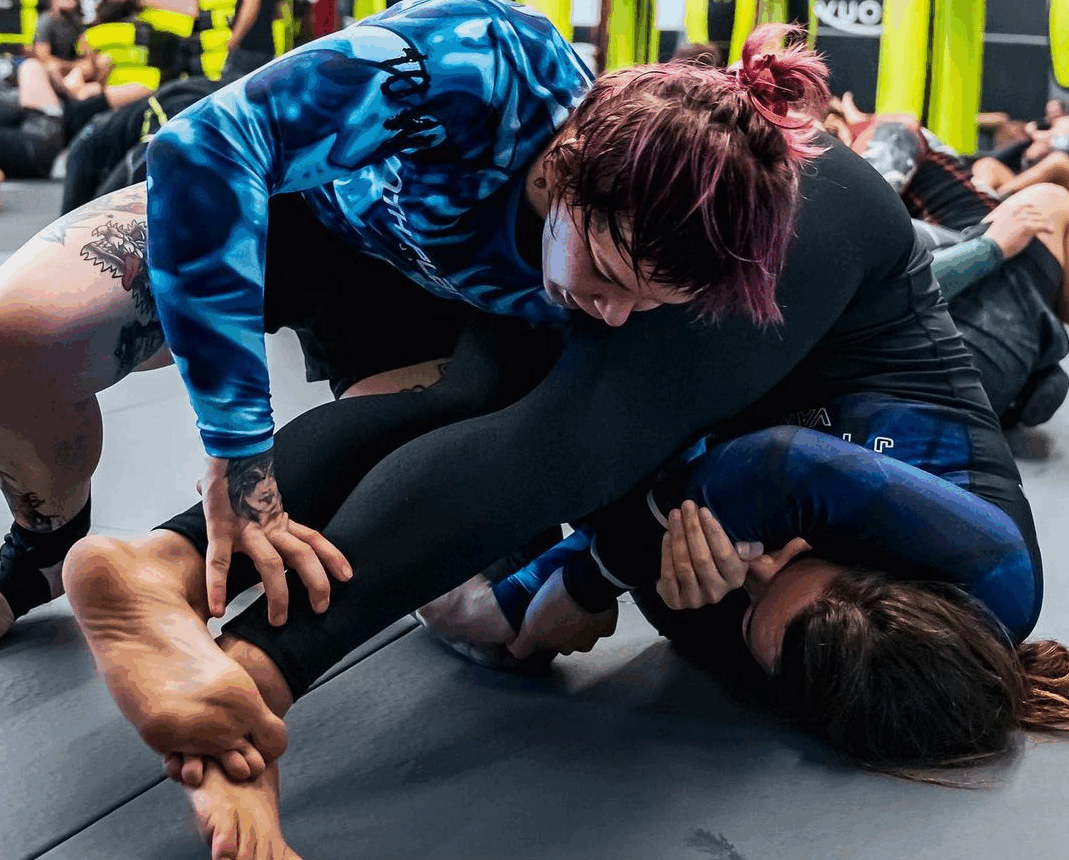
Muay Thai, often referred to as “The Art of Eight Limbs,” is not just a combat sport; it is a profound expression of Thai culture and heritage. With its roots deeply embedded in the history of Thailand, Muay Thai encompasses a variety of traditional rituals and customs that reflect the values and beliefs of the Thai people.
In this article, we will delve into the cultural heritage of Muay Thai, exploring its rituals, training practices, and the lifestyle it promotes.
The Essence of Muay Thai
Muay Thai is more than a sport; it is a way of life for many in Thailand. As Ken Tran, co-owner of the gym, notes, “Training there is a lot different than here, in North America.”
In Thailand, Muay Thai is intertwined with the daily lives of its practitioners. It is common for individuals to train multiple times a day, often starting with a run before each training session. This dedication to the sport is not merely for fitness; it is a reflection of the cultural importance placed on martial arts in Thai society.
Muay Thai Customs and Rituals
One of the most traditional rituals in Muay Thai is the Wai Khru Ram Muay, a dance performed before a fight. This ritual serves as a tribute to the fighter’s teachers and the spirits of the sport. The dance is characterized by graceful movements and is often accompanied by traditional music. It symbolizes respect, gratitude, and the deep connection between the fighter and their heritage.
Before entering the ring, fighters wear a Mongkhon, a ceremonial headband, and a Prajioud, a sacred armband. These items are believed to bring good luck and protection to the fighter. The Mongkhon is often blessed by a monk, adding a spiritual dimension to the fighter’s preparation. This practice highlights the importance of spirituality and tradition in Muay Thai.
Training as a Lifestyle
In Thailand, Muay Thai is not just a sport; it is a lifestyle. “It’s more like a job,” explains a trainer. “That’s how you’re going to earn an income.” Many fighters begin training at a young age, often balancing their education with rigorous training schedules. This commitment to the sport fosters a sense of community and camaraderie among practitioners, as they share the same goals and challenges.
Cultural Integration
Muay Thai is deeply integrated into Thai culture, with many people participating in the sport from a young age. “Everybody trains, in school and outside of school,” shares Tran. This widespread participation reflects the cultural significance of Muay Thai, as it is seen as a rite of passage for many young Thais.
Training Practices: A Comparison
Training in Thailand differs significantly from training in North America. In Thailand, fighters often train in smaller, more focused groups, allowing for personalized instruction and one-on-one pad work. “In North America, we teach big classes, but you’re still partnered up one-on-one in the class,” explains Tran.
In North America, training facilities often cater to a broader audience, focusing on fitness and self-defence rather than competitive fighting. “We have to cater to the regular people that want to work out,” Tran notes. This shift in focus means that while techniques from Thailand, such as strikes, clinching, and the use of elbows and knees, are incorporated into training, they must be adapted to suit the needs of recreational practitioners.
The Impact of Muay Thai on Personal Development
The cultural heritage of Muay Thai extends beyond physical training; it also promotes personal growth and development. Practitioners learn discipline, respect, and perseverance through their training. The rituals and customs associated with Muay Thai instill a sense of pride and identity, connecting fighters to their cultural roots.
Moreover, the community aspect of Muay Thai fosters friendships and support among practitioners. This sense of belonging is essential for many individuals, as it provides a supportive network that encourages personal and athletic growth.
Conclusion
Muay Thai is a rich cultural heritage that transcends the boundaries of sport. Its traditional rituals and customs reflect the values and beliefs of the Thai people, making it a unique and meaningful practice. From the Wai Khru Ram Muay to the dedication of training as a lifestyle, Muay Thai embodies a deep connection to culture, community, and personal development.
At Titan Training Centre, we celebrate the cultural heritage of Muay Thai while providing a welcoming environment for practitioners of all levels. Join us to experience the art of Muay Thai and discover the profound impact it can have on your life.